The first time a toddler grips a toothbrush, you can see the whole trajectory of their oral health in miniature. Tiny hands, a dab of fluoride toothpaste, a grin half pride and half bubble foam. Those moments are where lifelong habits take root. A pediatric dentist understands that a child’s mouth is not just a small version of an adult’s, pediatric dentist near me it is a living, growing system that changes quickly and is shaped by home routines, diet, health conditions, and anxiety levels. The right partner in those early years can prevent problems that are harder, and costlier, to fix later.
I have watched families arrive at a pediatric dental clinic in every state of readiness. Some come at the first tooth with a list of questions. Others arrive after a rough night with a crying preschooler and a swollen cheek. Many are somewhere in between, juggling sports, school, and everyday parenting with the hope that a quick pediatric dental checkup will set things back on track. A seasoned pediatric dental specialist sees patterns and pivot points long before a cavity shows up on the x ray.
The real differences in pediatric dentistry
Training is the obvious part. A certified pediatric dentist completes two to three years of residency after dental school focused on child development, behavior guidance, growth and orthodontic implications, pediatric sedation dentistry, pediatric dental emergencies, and care for children with complex medical needs. But day to day, the real differentiators are judgment and environment.
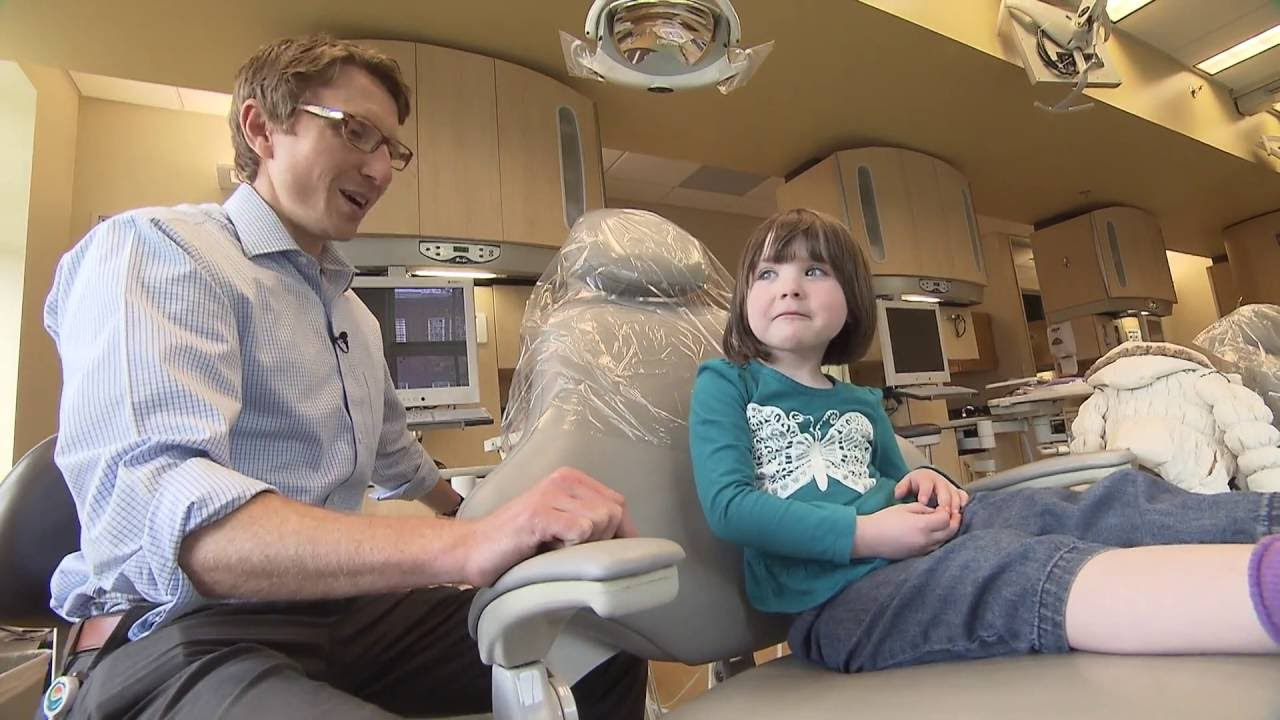
A pediatric dental office is built for short attention spans and big feelings. The chairs fit small bodies. The terminology is friendly. Instead of syringes and sharp words, you hear “sleepy juice,” “tooth tickle,” and “superhero tooth cap.” That might sound like window dressing, but language changes physiology. When a children’s dentist explains a pediatric dental cleaning as “polishing sugar bugs,” a nervous five year old unclenches their shoulders. Less muscle tension means easier local anesthesia, better cooperation, and shorter visits. Even light adjustments like ceiling art or a therapy dog can shave minutes off a pediatric dental treatment and reduce the need for pharmacologic help.
Pediatric dentistry also tunes into how teeth and jaws grow. A kids dentist tracks eruption timing, spacing, and habits like thumb sucking that can warp bite patterns. A child dental specialist knows when wide spacing in a toddler is normal and helpful for future permanent teeth, and when tight contact points in a preschooler raise the risk for cavities. They can time pediatric dental sealants before a molar’s grooves trap bacteria, decide whether a stainless steel pediatric dental crown will protect a weak baby molar until it naturally falls out, and flag airway or tongue tie issues that may connect to sleep and feeding.
When to start and what to expect
The best time for a first pediatric dental visit is by the first tooth or the first birthday, whichever comes earlier. That sounds early until you consider how quickly enamel demineralizes in a mouth that sips juice all day or falls asleep with a bottle. Early visits are short and gentle. The pediatric dentist for infants will do a knee to knee exam with the caregiver, count teeth, check bite and frenums, review brushing technique, and discuss fluoride. Most of the appointment is a conversation. Parents leave with clear, personalized advice: how much toothpaste, what to do about nighttime nursing or bottles, and how to clean around a wiggly tongue.
After that first look, the cadence is usually every six months, though higher risk kids benefit from more frequent pediatric dental exams. Risk is not a judgment, it is math and habits. Enamel defects, family history of cavities, chronic asthma inhalers, frequent snacking, and limited fluoride exposure raise the odds of decay. For those kids, a pediatric fluoride treatment every three months can be the difference between watchful waiting and a pediatric tooth filling.
At a typical pediatric dental checkup for a toddler or preschooler, the focus is prevention. The hygienist or dentist will remove plaque with pediatric teeth cleaning tools, apply fluoride varnish, and take bitewing pediatric dental x rays when they will change management. Radiation protocols are conservative. Digital sensors and lead aprons with thyroid collars keep doses low, and x rays are taken only when visual access is limited or if decay risk is high. Many toddlers can skip x rays entirely at the earliest visits, then start when molar contacts close and hidden cavities become more likely.
Prevention is the engine, not the add-on
Parents often ask which procedures matter most in pediatric oral care. If budget or time forces a choice, I recommend prioritizing proven interventions that compound over years.
Fluoride varnish is quick and remarkably effective. It strengthens enamel by driving remineralization at the crystal level, especially where early white spot lesions are forming. For children with early childhood caries, professional fluoride combined with daily home fluoride toothpaste can arrest and sometimes reverse shallow lesions without drilling.
Sealants on permanent molars and sometimes on baby molars protect deep grooves that toothbrush bristles cannot reach. The best pediatric dental practices use a meticulous protocol: clean the chewing surface, isolate with cotton rolls or a rubber dam, etch, place the sealant, and check for bubbles. When done well, sealants cut cavity risk in those pits and fissures by roughly half or more.
Diet counseling is deceptively powerful. Frequent exposures matter more than total sugar. A popsicle eaten in five minutes after dinner is kinder to enamel than a sippy cup of apple juice sipped for two hours. Pediatric dentists translate this into family routines. One of my patients, a six year old who loved gummy vitamins and raisins, had five interproximal cavities in a year. We replaced the sticky snacks with cheese and crunchy apples, moved vitamins to mealtime, and added xylitol gum on weekends. The next year: zero new lesions.
Behavior guidance that respects the child
Pediatric dentist visits are partly dentistry and partly coaching. A gentle pediatric dentist builds trust with tell-show-do. They describe a step in kid friendly words, show the tool on a finger, then do it on a tooth. For anxious children or kids with sensory sensitivities, predictability reduces fear. Choices help too. Picking a toothpaste flavor or a sticker gives control back to the child, which can transform the mood in the room.
Some children need more structured support. For a pediatric dentist for special needs, including autistic children, the appointment pace is the treatment. Lower lights, fewer people in the room, a familiar weighted blanket, or noise cancelling headphones can all help. Visual schedules and social stories reinforce what will happen next. When a child is not ready for a full pediatric dental cleaning, breaking the visit into short successes creates momentum. I have celebrated a two minute lap exam like a championship game because it set up a complete visit the next time.
Parents sometimes worry that a tough appointment will scar a child. That is reasonable, and it is why experienced pediatric dentists are conservative with language and generous with breaks. If a procedure must happen to stop pain or infection, the ethical goal is to complete it safely with the least distress possible. That might mean local anesthesia with topical numbing and distraction, nitrous oxide for relaxation, or in higher needs cases, deeper sedation managed by trained anesthesia teams.
Sedation, anesthesia, and when they are appropriate
Pediatric sedation dentistry exists for specific clinical situations, not convenience. Short, simple procedures with cooperative kids do not require it. But if a three year old has multiple painful cavities, or a child with significant anxiety cannot tolerate local anesthesia, sedation keeps them safe and prevents trauma.
Nitrous oxide, often called laughing gas, is the lightest option. The child breathes through a scented nose mask, feels relaxed, and recovers within minutes. It pairs well with local anesthetic for pediatric fillings or pediatric dental crowns. Oral sedation can be used when nitrous is not enough, though many pediatric dental specialists now prefer nitrous or IV deep sedation administered by an anesthesia provider for predictability. General anesthesia, whether in a hospital or accredited pediatric dental office, is reserved for extensive pediatric dental surgery, full mouth rehabilitation, or medically complex patients.
Parents should ask clear questions. Who is administering the sedation or anesthesia, and what credentials do they hold? What monitoring equipment is used? How are emergencies handled? A board certified pediatric dentist working with a dedicated anesthesia team will be able to walk you through the plan, risks, and aftercare in plain language. Good candidates for these modalities are screened carefully, and fasting and recovery guidelines are non negotiable.
When emergencies strike
A broken front tooth from a scooter fall, a knocked out permanent incisor on the soccer field, a swelling that appears on a Saturday night, these are the stress tests of a pediatric dental practice. An emergency pediatric dentist prioritizes the first hour. If a permanent tooth is avulsed, placing it back in the socket immediately, or in cold milk on the way to the office, radically changes the prognosis. For broken enamel on a baby tooth, reassurance and smoothing rough edges may be enough. For swelling, the pediatric tooth pain dentist examines carefully, drains an abscess if indicated, and prescribes antibiotics only when there is spreading infection or systemic signs like fever. Most toothaches trace back to a cavity that reached the nerve. Timely pediatric cavity treatment with a pulpotomy and a pediatric dental crown can save a baby molar from extraction.
I keep a mental map of where local families tend to get into trouble, not to blame but to prepare. Trampoline parks mean more front tooth chips in spring. Late summer brings popsicle fractures and camp injuries. During those seasons, I remind parents of the basics and make sure the office triage lines are staffed.
Restorative choices for growing mouths
Filling materials and techniques in pediatric dental care reflect the realities of baby teeth. Primary molars have thinner enamel and larger pulp chambers, which makes conservative preparation crucial. For small to moderate lesions, resin composites bond well and look natural. For larger cavities, especially in posterior baby teeth or after a pulpotomy, stainless steel crowns are the workhorse. They are durable, cost effective, and protect the tooth until it exfoliates. Zirconia pediatric dental crowns offer an aesthetic alternative for front teeth or selective back teeth when parents prioritize appearance, though they require more tooth reduction and pristine technique.
Do you always fill every small cavity in a young child? Not necessarily. A pediatric dentist balances risk, behavior, and tooth lifespan. If a non symptomatic lesion is shallow and the tooth will fall out in six to twelve months, intensive fluoride and sealant strategies can halt progression. If the lesion is advancing or the tooth is crucial for space maintenance, a pediatric tooth filling is prudent. This is judgment, not formula. The best pediatric dentist explains the reasoning, the trade offs, and the backup plan.
Space maintenance and the orthodontic ripple
Baby teeth hold space for permanent successors. When a pediatric tooth extraction is unavoidable due to infection or fracture, the pediatric dental specialist assesses whether a space maintainer is needed. Losing a baby molar early without maintaining space can lead to crowding and crossbite that complicate later orthodontics. I have watched a $200 space maintainer prevent a $2,000 future expansion. The timing matters. If a six year old loses a primary second molar, a band and loop appliance often preserves the arch length until the premolar erupts. Good pediatric dental offices collaborate with orthodontists to monitor growth and intervene conservatively.
What the home routine should really look like
Daily habits drive outcomes more than any single appointment. For toddlers and preschoolers, caregivers should brush twice a day with a rice grain smear of fluoride toothpaste until the child can tie their own shoes. That fine motor milestone correlates surprisingly well with adequate brushing technique. Spit, do not rinse. Once kids are six to eight and can handle spitting reliably, a pea sized amount is appropriate.
Flossing is not negotiable for tight contacts, particularly between molars. Floss picks can make the task tolerable for small mouths. If you see white chalky spots near the gumline or along the upper front teeth, that is early demineralization. Step up fluoride and call your pediatric dental practice for coaching before holes form.
Sleep and diet shape saliva, and saliva protects teeth. Dry mouth from mouth breathing or nighttime antihistamines raises cavity risk. Water between meals, not juice, helps. Sports drinks belong with sports, not as a daily beverage. If your child constantly nibbles, convert to defined snack windows with tooth friendly choices like cheese, nuts when age appropriate, yogurt, and crisp vegetables.
Special considerations for medically complex or neurodivergent children
A special needs pediatric dentist maps oral care onto each child’s medical and sensory profile. Children with congenital heart disease may need antibiotic prophylaxis for certain procedures. Kids with autism may prefer predictable routines and specific tastes, so toothpaste flavor and texture can make or break home care. Children on seizure medications or stimulants may have dry mouth or gingival overgrowth. The pediatric dentist coordinates with pediatricians and therapists, writes individualized behavior plans, and trains parents on adaptive tools like electric brushes with smaller heads or weighted handles.
One teenager I treated had significant dental anxiety and ADHD. Long appointments were a nonstarter. We split care into short, high focus blocks at the same time of day, used noise cancelling headphones, and built a rewards system with his input. Over six visits he completed needed pediatric dental treatment without sedation, and more importantly, he learned that the dental office was a place where he had a say.
Making the first visit successful
Parents set the tone without realizing it. Children read your face faster than they understand your words. If you talk about the dentist as a routine part of health, not a threat, you have done most of the work.
Here is a simple plan that works for many families:
- Schedule the pediatric dental appointment in the morning when younger children are rested. Use neutral, positive language. Skip scary details, focus on counting teeth and shiny brushes. Practice at home with a mirror. Take turns counting each other’s teeth with a soft brush. Bring comfort items and a short list of your child’s triggers and soothing preferences. Eat a light snack and brush before you leave, then plan a low key reward afterward.
Finding a partner, not just a provider
Searching for a pediatric dentist near me will give you a list, but names on a screen do not tell you how the office handles a crying toddler or a teenager who rolls their eyes at everything. Read reviews for patterns about behavior guidance and communication rather than star ratings alone. Look for language like gentle pediatric dentist and kid friendly dentist, but also for comments that mention explainers, patience, and clear billing. A board certified pediatric dentist has completed additional exams and case reviews, which signals depth of training.
Call and ask practical questions. Is the pediatric dental office accepting new patients? How do you handle same day pediatric dental emergencies? What is your approach to x rays for toddlers? Do you offer pediatric dentist consultations for anxious children or special needs? Do you collaborate with an emergency pediatric dentist after hours? Transparency on these points is a good predictor of your experience.
Costs, insurance, and realistic planning
Preventive care is almost always the cheapest path. Two pediatric dental exams and cleanings per year, fluoride varnish, and timely pediatric dental sealants often cost less than a single crown or extraction. Insurance plans vary, but many cover preventive services at 80 to 100 percent for children. The sticker shock typically appears when treatment is delayed and multiple pediatric fillings, crowns, or extractions become necessary at once.
If you are paying out of pocket, ask for a staged plan and discuss which items are most protective. Many pediatric dental clinics provide membership plans or discounts for bundles of preventive visits. If sedation or anesthesia is recommended, request a written estimate that separates dental fees from anesthesia and facility charges. Good offices will also explain when a watch and wait approach is safe.
The adolescent pivot
Pediatric dentists do not stop at grade school. The teenage years bring new risks: sports injuries, orthodontic appliances that trap plaque, energy drinks, and a sense of invincibility. A pediatric dentist for teens talks about mouthguards, piercings, whitening, and eating disorders without judgment. When a teenager owns their habits, outcomes improve. I once watched a high school pitcher who hated flossing connect his gum bleeding to slower workout recovery. He switched to a water flosser and saw the change within weeks. Adolescents respond to metrics and autonomy, so we give them both.
How you will know it is working
Progress shows up in small ways. Morning brushing becomes muscle memory. At the pediatric dental visit, your child climbs into the chair without a battle. The hygienist spends time polishing instead of scraping. Bitewing x rays stop showing shadows between molars. The pediatric dental specialist starts talking more about sports mouthguards and less about pulpotomies. That arc is not accidental, it is the result of the right habits supported by the right team.
Think of pediatric dentistry as a long, steady investment. A few focused minutes each day, plus thoughtful pediatric dental care every six months, beats heroic rescue work after neglect. If you choose a family pediatric dentist who respects your child’s temperament, answers your questions directly, and watches growth with a trained eye, you give your child something more durable than a bright smile. You give them agency over their health.
Common myths that deserve to retire
I still hear three misconceptions that get families into trouble. First, that baby teeth do not matter because they fall out. They matter for speech, nutrition, space maintenance, and self esteem. A painful infection in a baby molar can disrupt sleep and school for weeks, and extracting it too early can distort the bite. Second, that x rays are always harmful and should be avoided at all costs. Modern pediatric dental x rays use low doses, are targeted, and are taken only when the result will change the plan. Skipping necessary imaging can let hidden cavities grow until they are harder to treat. Third, that fluoride is optional. In appropriate amounts, fluoride is a cornerstone of pediatric preventive dentistry, recognized by leading health organizations for its role in reducing decay. The key is dosing and frequency, and your pediatric dentist will tailor both to your child’s risk.
A closing story that keeps me grounded
A mother brought her three year old after a rough night of tooth pain. He had cavities on four molars, a familiar story in a family juggling two jobs and little time. We mapped a plan that respected their realities. Two short visits with nitrous oxide for pediatric tooth fillings and crowns, fluoride varnish every three months, and small changes at home: water in the bedtime cup, brushing together to a two minute song, and a switch from sticky snacks to cheese sticks and apples. A year later he jumped into the chair, unafraid, and his x rays were clean. The mother’s relief was palpable, not because the dentistry was fancy, but because the path made sense and fit their lives.
That https://www.google.com/maps/d/embed?mid=1WM8qEwD8fIzwtXrSI3wwBJuGGIun2jg&ehbc=2E312F&noprof=1 is why a pediatric dentist matters. Not just for today’s cavity or this season’s chipped incisor, but for the steady, practical mentorship that shapes a child’s habits, protects their developing smile, and gives families confidence. Smiles start early. With the right guide, they endure.